
Building a Culture of Preparedness: Community Engagement Before Hurricanes
By Nadia Reyes · · 4 min read
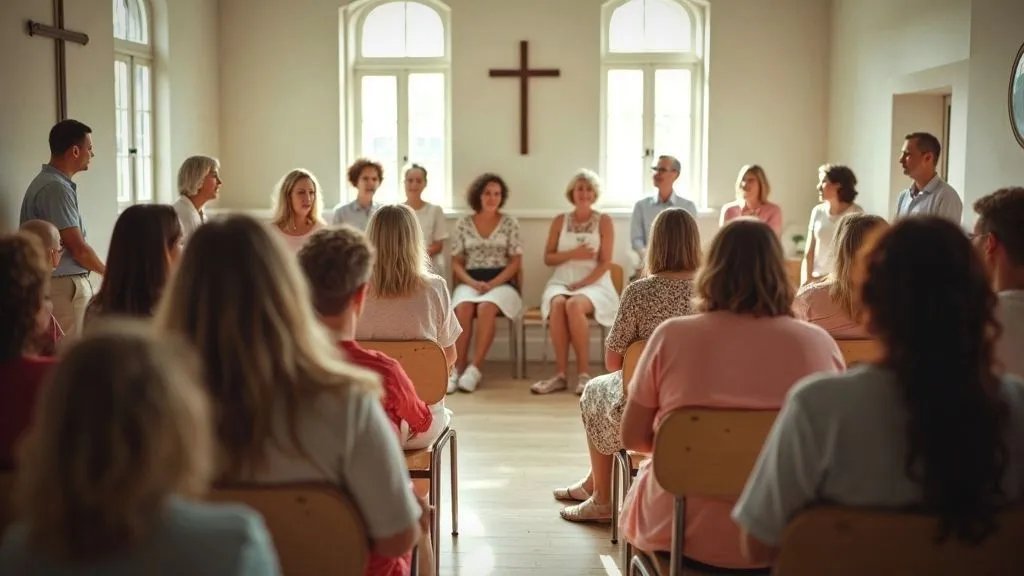
Communities along the coastline are no strangers to the threats posed by hurricanes. While infrastructure and emergency services play vital roles in disaster response, the strength of a community’s preparedness often hinges on the engagement of its residents. This article delves into how fostering a culture of preparedness can significantly enhance a community’s resilience against hurricanes.
Understanding Community Engagement
Community engagement involves actively involving individuals and organizations in decision-making processes that affect them. In the context of hurricanes, this means not only educating residents about potential risks but also involving them in preparedness efforts. When people feel invested in their own safety and that of their neighbors, it can lead to a more robust response during disasters.
The Pillars of Community Engagement
Effective community engagement for hurricane preparedness can be built on several key pillars:
-
Education and Awareness: Knowledge is power. Understanding hurricane risks, safety measures, and response strategies can significantly reduce panic and chaos during an actual event. Workshops, informational materials, and online resources can help residents make informed decisions.
-
Collaboration: Partnering with local organizations, schools, and businesses can amplify outreach efforts. Collaborative initiatives foster a sense of unity and shared responsibility, encouraging people to work together before and after a hurricane strikes.
-
Volunteer Programs: Engaging community members as volunteers not only prepares them for emergencies but also creates a support network. Trained volunteers can assist in shelters, distribute supplies, and provide emotional support during crises.
-
Simulations and Drills: Regularly scheduled drills and simulations can help communities practice their emergency responses. These exercises allow residents to identify weaknesses in their preparedness plans and foster familiarity with emergency procedures.
The Role of Social Media in Preparedness
In today’s digital age, social media platforms can serve as powerful tools for community engagement. They can be used for:
- Spreading Information: Real-time updates about hurricane forecasts and preparedness tips can be disseminated quickly through social media.
- Building Networks: Platforms allow residents to connect, share experiences, and create community groups focused on disaster preparedness.
- Crowdsourcing Solutions: Residents can share ideas, resources, and volunteer opportunities, creating a collaborative environment.
Utilizing Local Influencers
Local influencers and community leaders can play a pivotal role in enhancing engagement. Their established trust and visibility can help disseminate crucial information, inspiring others to take action. By leveraging their platforms to promote preparedness initiatives, communities can reach a wider audience.
Encouraging Individual Preparedness
While community engagement is important, individual preparedness is equally essential. Residents must take responsibility for their safety and that of their families. Here are some steps individuals can take:
- Create an Emergency Plan: Every household should have a plan detailing evacuation routes, communication strategies, and supplies needed during a hurricane.
- Build an Emergency Kit: Essential items such as water, food, medications, and first aid supplies should be readily available. Regularly updating this kit is crucial.
- Stay Informed: Subscribing to local weather alerts and understanding how to monitor hurricane developments can help individuals make timely decisions.
Fostering Relationships with Local Authorities
Strong relationships between community members and local authorities can enhance preparedness efforts. When residents trust their local governments and emergency services, they are more likely to follow guidelines and participate in preparedness programs. Regular town hall meetings, Q&A sessions, and open-door policies can help foster transparency and trust.
The Importance of Feedback Mechanisms
Creating avenues for feedback can also significantly improve community engagement in preparedness efforts. Residents should feel comfortable providing input on what resources or programs they find helpful, as well as share their concerns or experiences. This dialogue can lead to tailored solutions that better address the unique needs of the community.
The Long-Term Benefits of a Prepared Community
Investing in preparedness is not just about surviving a hurricane; it’s about thriving in its aftermath. A community that actively engages its residents in preparedness efforts cultivates resilience that extends beyond disaster response. Benefits include:
- Stronger Social Ties: Enhanced communication and collaboration lead to stronger relationships among residents, which can be invaluable during recovery.
- Economic Stability: Prepared communities can recover more quickly, reducing the long-term economic impacts of a disaster.
- Improved Mental Health: A sense of preparedness and community support can mitigate the psychological toll that hurricanes often inflict on residents.
Conclusion: A Call to Action
As we anticipate the next hurricane season, it is essential that communities prioritize preparedness. By fostering engagement, educating residents, and building trust with local authorities, communities can create a culture of preparedness that not only protects lives but also strengthens communal bonds. Each resident has a role to play, and together, they can create a resilient future against the inevitable storms that may come their way.