
The Essential Role of Education in Hurricane Preparedness and Recovery — Ac1wc
By Nadia Reyes · · 4 min read
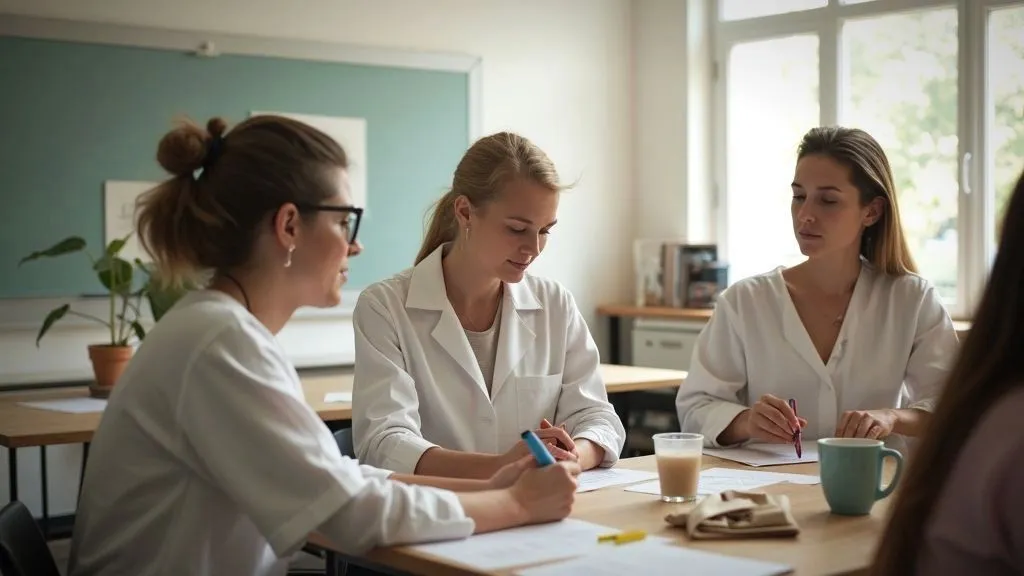
In the face of increasingly severe hurricanes, education emerges as a critical tool for individuals and communities. Understanding the complexities of hurricane preparedness and recovery can significantly influence how effectively people respond to these natural disasters. Education transcends mere awareness; it equips individuals with vital skills, knowledge, and resources necessary to navigate the challenges posed by hurricanes.
The Foundation of Preparedness Education
Education serves as the backbone of effective hurricane preparedness. It is essential for ensuring that individuals, families, and communities understand the risks associated with hurricanes and the measures they can take to mitigate those risks. This foundation is built on three key components: understanding hurricane behavior, creating preparedness plans, and practicing safety protocols.
Understanding Hurricane Behavior
The first step in hurricane education is comprehending the nature of these storms. Hurricanes are complex systems influenced by atmospheric conditions, geography, and climate change. Educating the public about hurricane formation, categorization, and potential impacts can foster a sense of urgency and preparedness. For instance, knowing the difference between a tropical storm and a Category 5 hurricane can motivate families to take proactive steps.
Developing Personal and Community Preparedness Plans
Once individuals have a grasp of hurricane behavior, the next logical step is crafting preparedness plans. These plans should encompass evacuation routes, emergency contacts, and supply kits. Schools, community centers, and local governments can play a pivotal role by providing templates and guidance for creating these plans. Workshops and training sessions can empower families and neighborhoods to develop tailored strategies that fit their unique needs.
Practicing Safety Protocols
Education does not stop at planning; it also includes practicing safety protocols. Regular drills can help instill confidence in individuals, allowing them to respond calmly during a hurricane. Such practice sessions can involve local emergency services, enhancing the community’s overall readiness and understanding of the resources available to them during a crisis.
The Role of Educational Institutions
Schools and educational institutions are key players in promoting hurricane preparedness. By integrating disaster education into curricula, schools can prepare students for the realities of living in hurricane-prone areas. This education can take various forms, from classroom lessons to hands-on activities and simulations.
Curriculum Development
Incorporating disaster preparedness into science, geography, and health curricula can make the learning experience more engaging. For example, science classes can explore the meteorological principles behind hurricanes, while geography lessons can focus on the geographical risk factors of local communities. Health classes can highlight the psychological impact of hurricanes and the importance of emotional preparedness.
Partnering with Local Agencies
Collaboration with local emergency management agencies can enhance educational initiatives. Schools can invite experts to speak about safety measures, provide resources like brochures, and even organize community events, such as hurricane preparedness fairs. These partnerships can foster a sense of community involvement, as families come together to learn about the importance of preparedness.
Engaging the Community through Workshops and Resources
Beyond formal education, workshops and community resources can play a crucial role in disseminating information about hurricane preparedness and recovery. Local organizations can host events that focus on teaching practical skills, such as first aid, emergency response, and resource management.
Interactive Workshops
Interactive workshops can engage community members and encourage participation. These sessions might include hands-on activities like assembling emergency supply kits or creating family communication plans. By involving community members in practical exercises, they become more invested in their own safety and the safety of those around them.
Resource Accessibility
Providing accessible resources is vital in ensuring that every community member has the information they need. This includes distributing pamphlets, creating informative websites, and using social media platforms to reach a broader audience. Additionally, making materials available in multiple languages can ensure inclusivity and reach diverse communities.
The Impact of Education on Recovery Efforts
Education is not only important for preparedness; it also plays a significant role in recovery efforts following a hurricane. Understanding the recovery process can help individuals and communities rebuild more effectively. The focus should shift from simply returning to normalcy to creating a more resilient future.
Knowledge of Resources
Post-hurricane recovery often involves navigating a complex web of resources, including financial assistance, housing support, and health services. Educating affected individuals about available resources can facilitate smoother recovery processes. Workshops on accessing aid, filing insurance claims, and connecting with local services can be invaluable.
Building Resilience
Lastly, education can foster resilience. Teaching communities about building back better—incorporating sustainable practices and improved infrastructure—can lead to long-term benefits. Engaging community members in discussions about resilience can encourage innovative ideas and collective action towards a safer future.
Conclusion
In conclusion, education plays a pivotal role in hurricane preparedness and recovery. By enhancing public understanding of hurricane behavior, developing practical preparedness plans, and fostering community engagement, education can empower individuals and communities to face the challenges posed by hurricanes. Schools, local organizations, and community leaders must work together to create a culture of preparedness that not only saves lives but also builds resilience in the face of adversity. Through education, we cultivate a society that is better equipped to handle the unpredictable nature of hurricanes and the aftermath that follows.