
How Community Engagement Can Transform Hurricane Preparedness and Recovery
By Nadia Reyes · · 4 min read
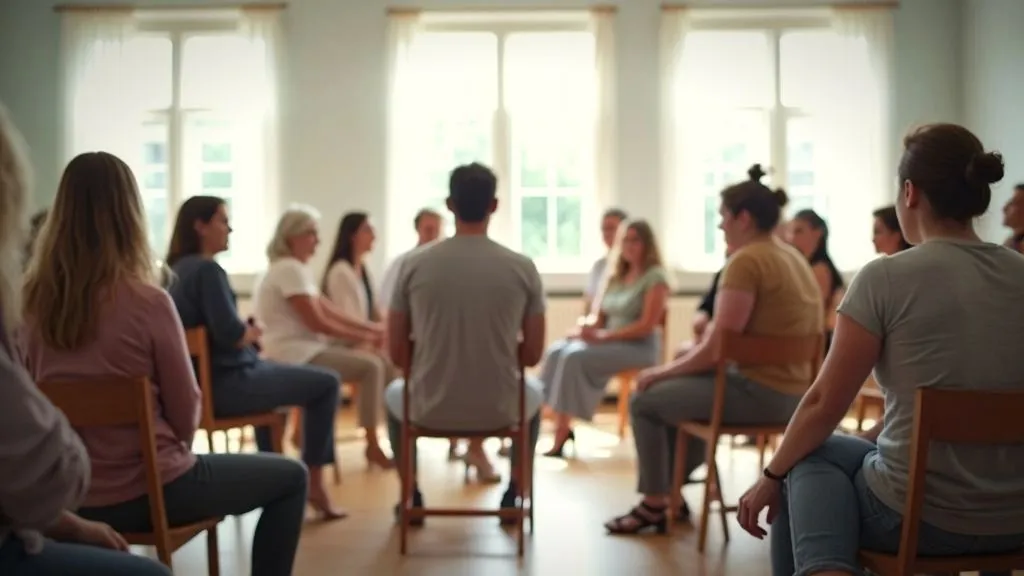
Preparing for hurricanes involves more than just having a battery-powered radio and stockpiling canned goods. It requires a well-coordinated effort that brings together various stakeholders, including local governments, non-profits, businesses, and, most importantly, the community itself. Community engagement plays a pivotal role in both preparedness and recovery, creating a network of support that can significantly enhance resilience in the face of natural disasters.
The Power of Community Networks
At its core, community engagement focuses on building relationships and fostering collaboration among residents. When a hurricane approaches, these connections can provide vital resources and information. Neighbors often know each other’s strengths and weaknesses, which can be instrumental in identifying vulnerable populations who may need extra support, such as the elderly or those with disabilities.
By establishing communication channels—whether through neighborhood meetings, social media groups, or local organizations—communities can share valuable information about evacuation plans, emergency contacts, and resources available during a crisis. This proactive approach can alleviate confusion and anxiety as a storm approaches.
Building Trust Through Preparedness Programs
A strong community is one where residents feel empowered to take action. Preparing for hurricanes presents an opportunity to cultivate trust and cooperation. Local governments and organizations can facilitate workshops and training sessions focused on emergency preparedness, teaching residents how to create emergency kits, develop family communication plans, and understand evacuation routes.
When community members participate in these programs, they not only gain essential knowledge but also build relationships with their neighbors. This trust becomes crucial during a hurricane, as people are more likely to look out for each other and collaborate on recovery efforts.
The Role of Local Organizations
Local non-profits and community groups can play a significant role in hurricane preparedness. These organizations often have established connections with vulnerable populations and can help bridge gaps. They can offer resources like food, shelter, and counseling before, during, and after a storm.
For instance, food banks can coordinate food drives to ensure that those who may be financially strapped have enough supplies. Similarly, organizations focused on mental health can provide counseling and support services, which are especially important during the stressful recovery phase following a hurricane.
Encouraging Volunteerism and Participation
Volunteerism is another key aspect of community engagement. By encouraging residents to volunteer during preparedness initiatives, local organizations can not only enhance their capacity but also foster a sense of ownership and commitment among community members.
Residents who volunteer often find a deeper connection to their community. They gain insights into the challenges others face and learn how to work together towards a common goal. This unity can prove invaluable when a disaster strikes, as volunteer networks can mobilize quickly to assist in recovery efforts.
Building a Culture of Resilience
Resilience is often thought of in terms of infrastructure and emergency response plans, but it also encompasses social capital—the value of relationships within a community. By prioritizing community engagement, areas can build a culture of resilience that extends beyond a single disaster.
Communities that regularly practice preparedness drills, host events to discuss hurricane risks, and maintain open lines of communication are better equipped to handle the stress and chaos of a hurricane. Instead of feeling isolated, residents are part of a network that supports them through difficult times.
Sharing Best Practices and Lessons Learned
After a hurricane, communities should come together to evaluate their response and recovery efforts. Community forums or post-storm gatherings can serve as platforms for residents to share their experiences, lessons learned, and suggestions for improvement. This collective reflection not only informs future preparedness strategies but also strengthens community bonds.
Learning from one another helps dispel misinformation and can lead to more effective strategies for dealing with future storms. For instance, if one neighborhood discovers a successful way to secure homes or communicate during a storm, that knowledge can be shared with other areas.
The Long-Term Benefits of Engagement
The benefits of community engagement extend well beyond hurricane season. A strong, engaged community is more likely to thrive in various circumstances, from economic challenges to social issues. When residents feel connected and supported, they are more likely to contribute to local initiatives and advocate for policies that benefit their community.
Additionally, engaged communities often have a greater capacity for disaster recovery. They can mobilize resources more quickly, provide mutual aid, and assist in rebuilding efforts. This interconnectedness can reduce the long-term economic impacts of hurricanes and foster a sense of hope and optimism among residents.
Conclusion
Hurricane preparedness is a multifaceted challenge that requires a whole-community approach. By prioritizing community engagement, residents can create a robust support system that not only enhances their readiness for storms but also fosters resilience in the aftermath. Building relationships, fostering trust, and encouraging volunteerism are essential steps that can transform how communities face the threat of hurricanes.
In the end, it is the strength of human connections that defines a community’s ability to withstand and recover from the impacts of natural disasters. As we look to the future, investing in community engagement will be crucial in shaping a safer and more resilient tomorrow.