
Understanding the Role of Community in Hurricane Preparedness and Recovery
By Nadia Reyes · · 4 min read
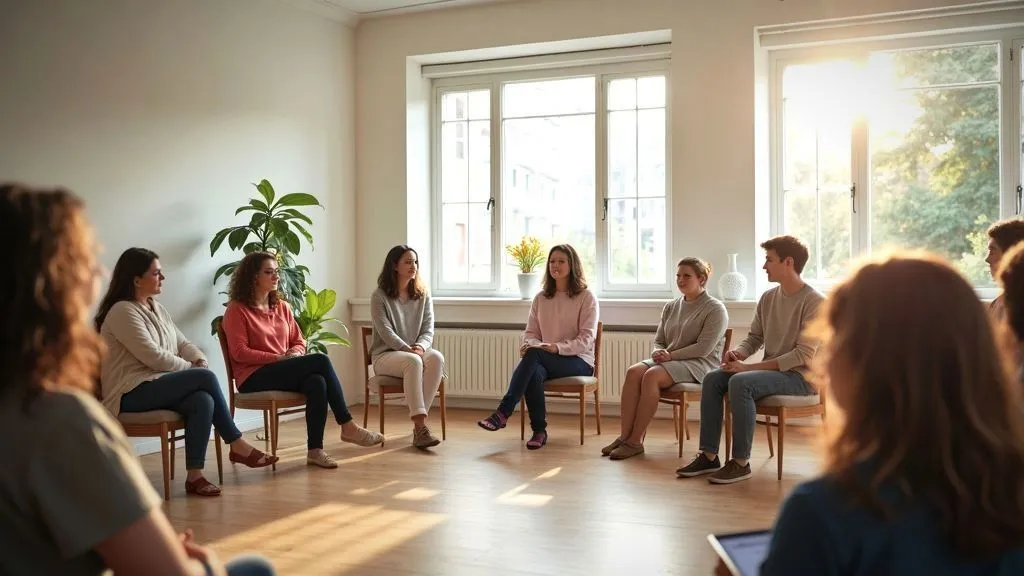
Hurricane season brings with it a host of challenges and uncertainties. As coastal communities brace for impact, the importance of collective action and community resilience becomes apparent. While individual preparedness is essential, the role of community in hurricane planning and recovery is often underestimated. In this article, we will explore how communities can enhance their hurricane readiness through collaboration, shared resources, and effective communication, ultimately leading to a more resilient future.
The Significance of Community Cohesion
When facing the threat of hurricanes, the strength of a community can significantly influence the outcome of preparedness efforts. A cohesive community fosters relationships built on trust and mutual support. Residents who know their neighbors are more likely to work together, share resources, and communicate effectively during emergencies.
Building Strong Neighborhood Networks
Creating a network within neighborhoods is crucial. Residents can organize meetings to discuss preparedness plans, share contact information, and create a communication channel for emergencies. By establishing these connections, communities can ensure that everyone, especially vulnerable populations like the elderly or those with disabilities, receives the support they need during a storm.
Community Emergency Response Plans
Collaborative emergency response plans are vital. Communities can work together to develop localized strategies tailored to their unique needs. This involves identifying evacuation routes, local shelters, and essential services that will be operational during a hurricane. Such plans should be accessible and well-communicated among residents, ensuring everyone knows what to do when the time comes.
Leveraging Local Resources for Preparedness
Communities often have resources that can be pooled together to enhance overall preparedness. Local organizations, businesses, and government agencies can collaborate to provide essential services and materials.
Partnering with Local Organizations
Local nonprofits and faith-based organizations often play a critical role in disaster response. These entities can offer training sessions on emergency preparedness, distribute supplies, and provide mental health support during and after a hurricane. By partnering with these organizations, communities can create a safety net that benefits everyone.
Utilizing Local Businesses
Local businesses can also contribute significantly to hurricane preparedness. Hardware stores, for example, can provide essential supplies like plywood, batteries, and non-perishable food items. Businesses can also participate in community events focused on preparedness, helping to raise awareness and educate the public about the importance of readiness.
Effective Communication Strategies
Clear and accessible communication is crucial in hurricane preparedness and recovery. Communities should establish communication plans that outline how information will be disseminated before, during, and after a storm.
Utilizing Technology and Social Media
In today’s digital age, technology can be a powerful tool for communication. Communities can leverage social media platforms to share real-time updates, safety tips, and emergency alerts. Establishing a dedicated community group on platforms like Facebook or WhatsApp can facilitate rapid information sharing among residents.
Traditional Communication Methods
While technology is essential, it’s important not to overlook traditional communication methods. Flyers, community bulletin boards, and local radio stations can be effective in reaching those who may not have internet access. Ensuring that information is available in multiple formats will help guarantee that all community members are informed and prepared.
After the Storm: Supporting Post-Hurricane Recovery
The work of community resilience doesn’t stop once the hurricane has passed. In fact, the recovery process is when community cohesion can shine the brightest.
Immediate Support and Resources
In the aftermath of a hurricane, communities should mobilize to provide immediate support to affected residents. This can include distributing food, water, and medical supplies. Volunteer efforts can be organized to assist with cleanup and debris removal, helping to restore normalcy in the community.
Long-Term Recovery Efforts
Beyond immediate needs, long-term recovery planning is essential. Communities should assess the damage and work together to rebuild. This might involve organizing fundraisers, seeking grants, or collaborating with government agencies to secure the necessary resources for recovery. Ongoing support groups can provide emotional help and foster a sense of solidarity among residents.
Fostering a Culture of Preparedness
To truly enhance community resilience, a culture of preparedness must be nurtured. This involves continuous education and engagement in preparedness activities.
Regular Training and Drills
Communities should organize regular training sessions and disaster drills to keep preparedness at the forefront of residents’ minds. These events can simulate hurricane scenarios, allowing residents to practice their response plans and identify potential areas for improvement.
Engaging Youth and Future Generations
Engaging younger residents in preparedness efforts is crucial for building a resilient future. Schools can incorporate hurricane preparedness education into their curricula, ensuring that students understand the risks and know how to respond. Community events that focus on youth involvement can also foster a sense of responsibility and readiness among the next generation.
Conclusion: A Unified Approach to Hurricane Resilience
Hurricane preparedness is not just an individual effort; it is a community endeavor. By fostering strong connections, leveraging local resources, maintaining effective communication, and promoting a culture of preparedness, communities can enhance their resilience against hurricanes. As we face the challenges of hurricane season, let us remember that together, we are stronger, and collective action can make all the difference when the storm clouds gather.